
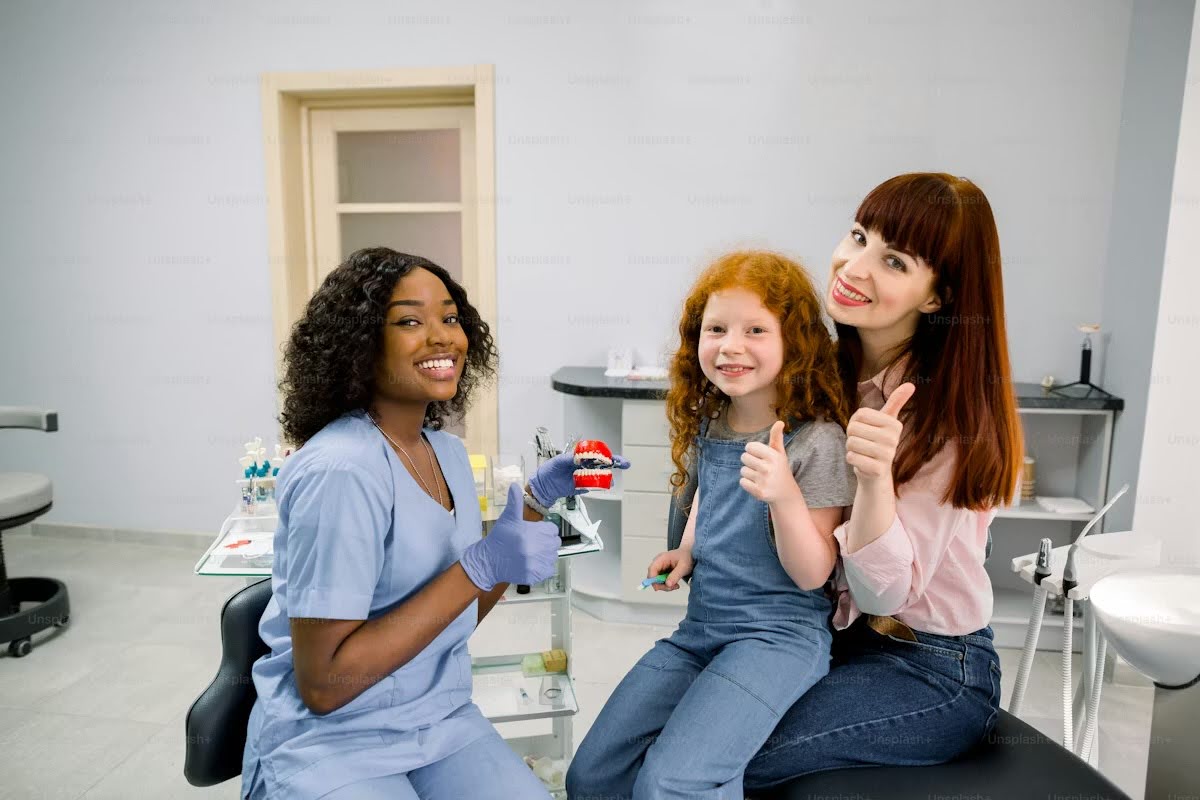
Maintaining good oral health is essential for every family member, regardless of age. From young children developing their first teeth to adults managing long-term dental care, healthy oral habits contribute to overall well-being, confidence, and quality of life.
By adopting consistent routines and making informed choices, families can protect their smiles and prevent avoidable dental problems. Below are five practical tips to help keep your family’s oral health in check.
1. Establish a Consistent Daily Oral Care Routine
A strong oral health foundation begins with daily habits. Every family member should brush their teeth at least twice a day using fluoride toothpaste and a soft-bristled toothbrush. Brushing removes plaque and prevents cavities and gum disease.
Flossing at least once a day is equally important, as it removes food particles and bacteria from areas a toothbrush cannot reach. Parents should supervise young children to ensure they brush correctly and for the recommended duration.
2. Visit a Family Dentist Regularly
Scheduling regular check-ups with a family dentist is one of the most effective ways to maintain oral health for everyone in the household. A family dental doctor is trained to care for patients of all ages, making it easier to manage dental appointments under one roof.
Routine dental visits allow professionals to detect early signs of cavities, gum disease, and alignment issues before they become serious. Preventive treatments such as cleanings, fluoride applications, and sealants help protect teeth and reduce the need for extensive procedures later.
3. Maintain a Tooth-Friendly Diet at Home
What your family eats plays a major role in oral health. Diets high in sugar and acidic foods increase the risk of tooth decay and enamel erosion. Encourage balanced meals that include fruits, vegetables, dairy products, and lean proteins to support strong teeth and gums. Limit sugary snacks, carbonated drinks, and sticky treats, especially between meals.
Drinking water throughout the day helps rinse away bacteria and neutralise acids in the mouth. Teaching children about healthy food choices not only benefits their teeth but also supports overall physical health.
4. Replace Toothbrushes and Dental Tools Regularly
Using worn-out dental tools reduces their effectiveness. Toothbrushes should be replaced every three to four months or sooner if bristles become frayed. Worn bristles do not clean teeth properly and can irritate gums.
Families should also regularly replace floss, mouthwash, and other oral care products as needed. Keeping dental tools clean and up to date ensures optimal oral hygiene and prevents the spread of bacteria among family members. This small but important habit can make a noticeable difference in maintaining oral health.
5. Educate Children About the Importance of Oral Health
Teaching children why oral health matters encourages responsibility and cooperation. Explain how brushing, flossing, and regular dental visits help keep their teeth strong and pain-free.
Use age-appropriate language and make learning fun through stories, games, or reward charts. When children understand the benefits of good oral care, they are more likely to follow routines willingly. Positive reinforcement and leading by example further strengthen healthy habits within the family.
Conclusion
Keeping your family’s oral health in check requires consistency, education, and professional support. By maintaining daily oral care routines, visiting a trusted family dentist, encouraging healthy eating, replacing dental tools regularly, and teaching children the value of dental hygiene, families can enjoy strong, healthy smiles for years to come.

